

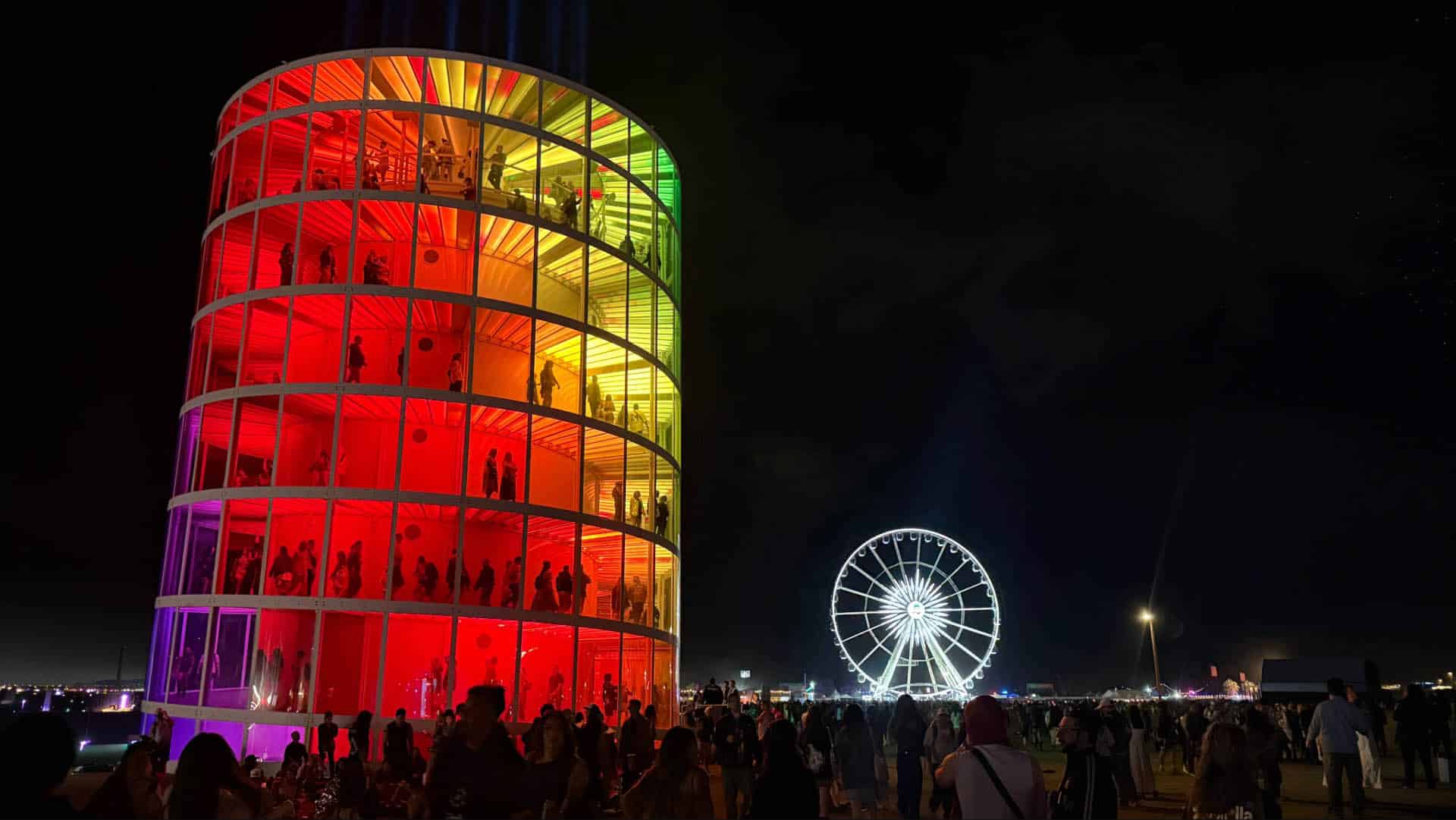
Most brands are still playing in the same sandbox – merch, customization, photo ops. The winners weren’t doing different things, they were executing them better, faster, and more intuitively for the consumer.
1. “Surprise & Delight” as a Core Engagement Strategy
INSIGHT: Brands moved beyond static footprints and leaned into unexpected, real-time moments to reward attendees. These ranged from pop-up giveaways to unannounced guest appearances and spontaneous upgrades.
WHY IT MATTERS: Consumers are increasingly desensitized to planned activations – unpredictability is now what drives organic sharing and memorability.
2. Customization as Table Stakes (Not a Differentiator)
INSIGHT: Co-branded merch evolved into fully interactive DIY customization experiences – especially charm bars, patch stations, and build-your-own accessories.
WHY IT MATTERS: Personalization is no longer a “nice to have”- it’s expected. The brands that stood out made the process fast, social, and highly visible (i.e., part of the content moment).
3. Functional Utility = High-Value Brand Touchpoint
INSIGHT: Brands leaned into “consumer trail” moments – sunscreen stations, hydration, cooling zones, beauty refresh bars. Recovery zones, adaptogenic drinks, and cooling spaces weren’t siloed; they were integrated into broader experiences.
WHY IT MATTERS: Utility-based experiences drove some of the highest engagement because they solved real, immediate needs. This is a shift from purely aesthetic activations to value exchange that consumers could do themselves.
4. The Duality of Content vs. Presence
INSIGHT: While brands prioritized highly curated photo/video moments, we also saw some brands simultaneously create low-tech, phone-free or “be present” environments.
WHY IT MATTERS: There’s a growing tension: consumers want content, but also relief from constant documentation. Smart brands can capitalize on this by designing for both
5. Nostalgia Continues to Dominate
INSIGHT: From fashion to merch, early 2000s aesthetics remained dominant—baby tees, metallics, trucker hats, kitschy accessories.
WHY IT MATTERS: This isn’t just a trend—it’s a sustained cultural cycle driven by Gen Z’s reinterpretation of millennial nostalgia. Expect it to continue, but evolve toward more niche/ironic references.
6. Brands As Part of the Act
INSIGHT: Brands felt like part of the act. Rather than being something to just drive by, we saw lines out the door and people actively talking about the best branded moments and experiences.
WHY IT MATTERS: Immersive and meaningful experiences outweighed the goal of traffic. Historically, brands tried to have people cycle through quickly in order to increase foot traffic and this year people were really inviting people to stay for a long time and not worrying about long lines and complaints of waiting.
7. Influencer Presence Felt More Integrated, Less Staged
INSIGHT: Compared to past years, creator activity felt more embedded in the experience vs. overtly sponsored moments.
WHY IT MATTERS: The shift is toward native storytelling vs. obvious brand pushes. Audiences are rewarding subtlety.
8. Wellness as a Lifestyle Layer (Not a Separate Category)
INSIGHT: Recovery zones, adaptogenic drinks, and cooling spaces weren’t siloed; they were integrated into broader experiences.
WHY IT MATTERS: “Wellness” is no longer niche; it’s an expectation baked into premium experiences.
9. Food is part of the experience, not an Afterthought
INSIGHT: Food at Coachella is no longer just sustenance, it’s part of the experience.
WHY IT MATTERS: Culinary offerings are a form of social currency, from viral food items to coveted reservations.